

Every year, somewhere in India, a man in his fifties begins to cough and does not stop. He may have worked in a cement-sheet factory, broken ships on the beaches of Alang, or simply lived for decades under an asbestos roof. His doctor may call it tuberculosis or chronic bronchitis, when viewed from a differential diagnosis lens butit is often neither. It is the delayed effect of a mineral that more than 65 countries have banned, and that India still imports in large quantities.
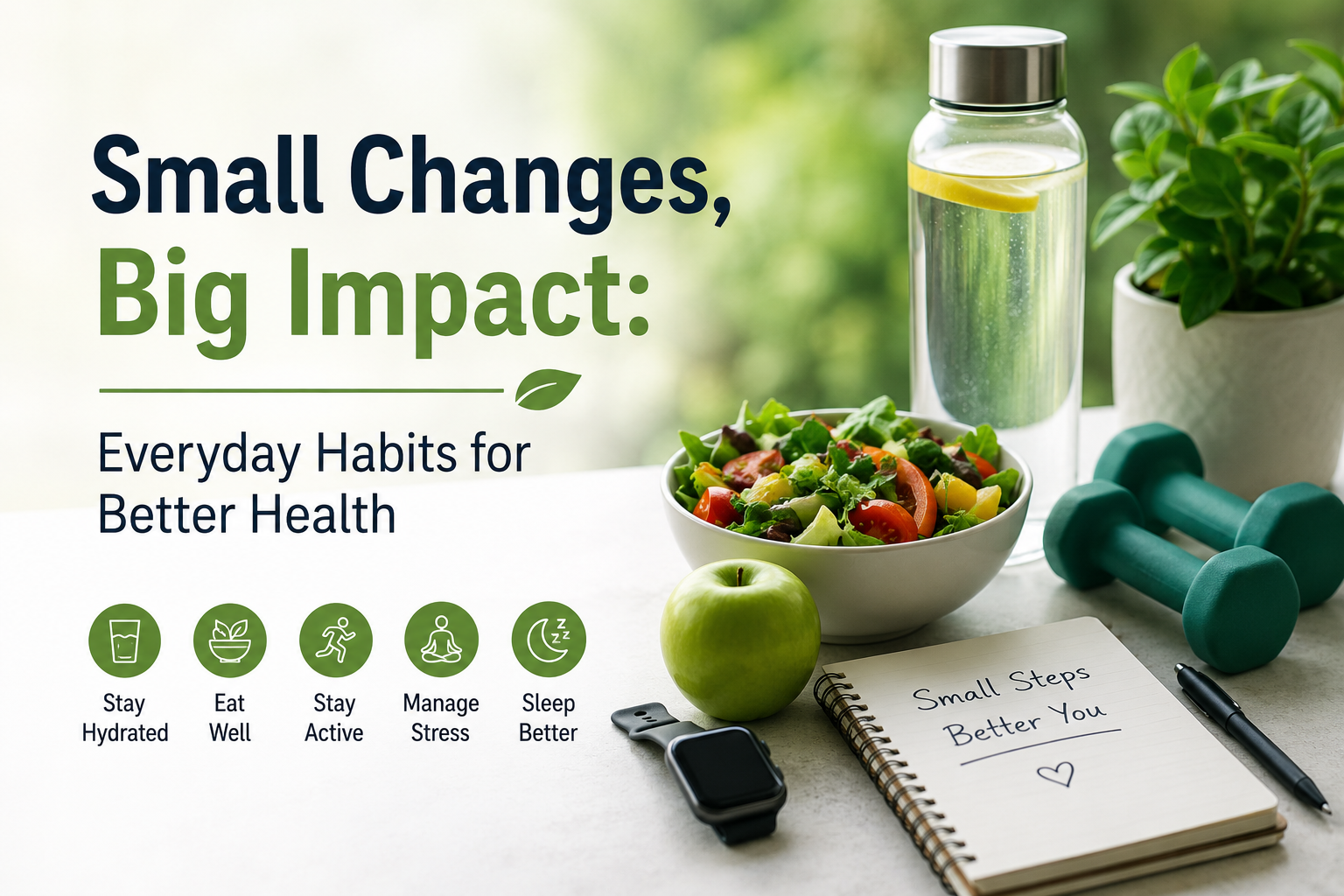
Good health is not achieved through a single major change. It is built through small, consistent choices made every day. In today’s fast-paced world, busy schedules, sedentary lifestyles, unhealthy food choices, inadequate sleep, and increasing stress can negatively affect physical and mental well-being. Promoting simple and sustainable healthy habits is therefore an important part of improving individual and community health.
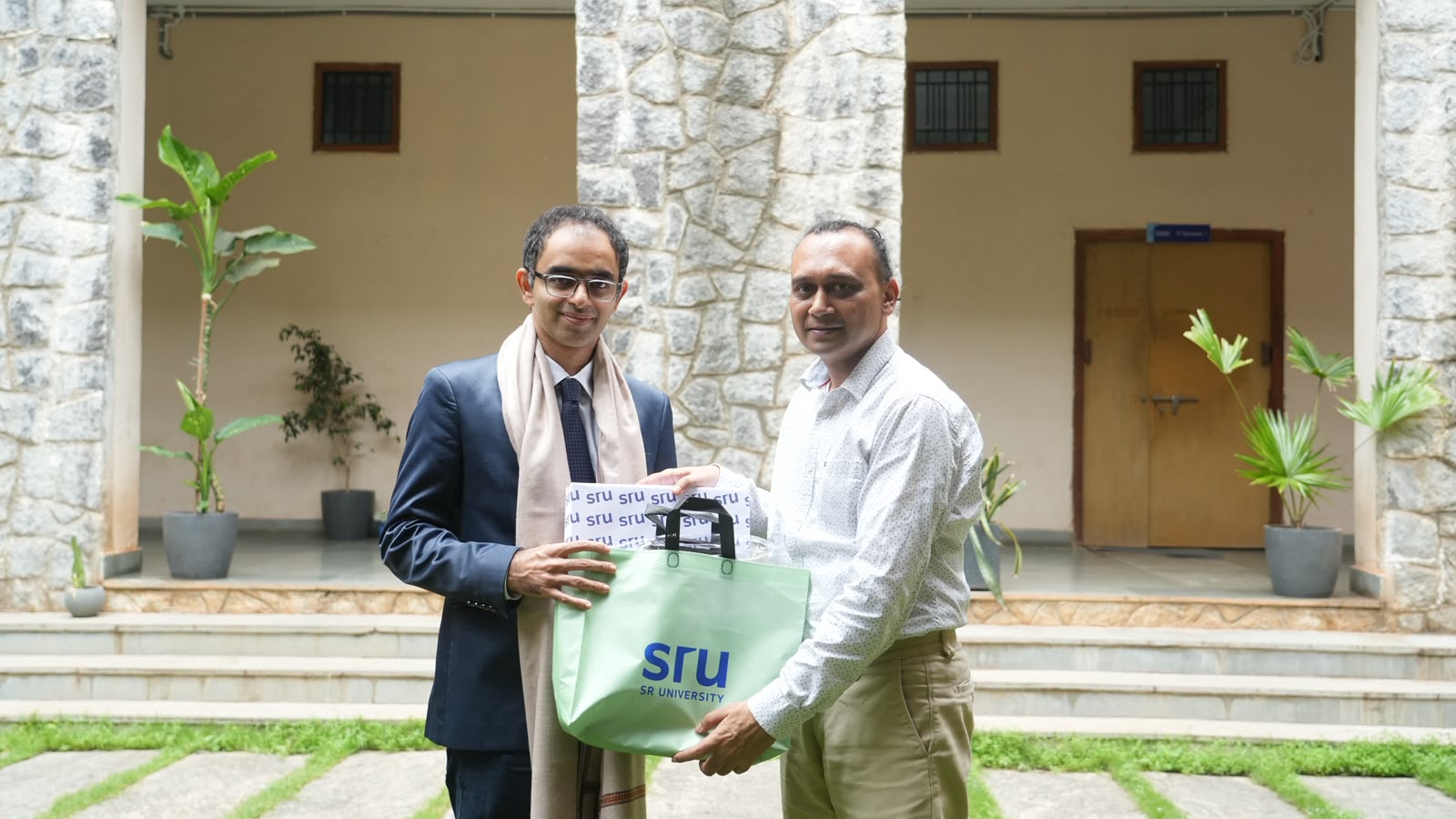
Dr Edmond Fernandes has been awarded Doctor of Science (DSc) Degree by S R University, Warangal, Telangana, India. Defending his work during the Viva Voce Examination before the distinguished expert committee constituted by S R University Warangal, Dr Fernandes demonstrated substantial scholarly contributions, social impact and advanced research and policy work.

Healthcare is entering a new era in which artificial intelligence (AI) is moving from research laboratories into everyday clinical practice. AI can analyse large volumes of information, identify patterns and support faster decision-making. From medical imaging and laboratory diagnostics to rehabilitation and public health, its applications are expanding rapidly. Yet the future of healthcare is not likely to be about machines replacing people.
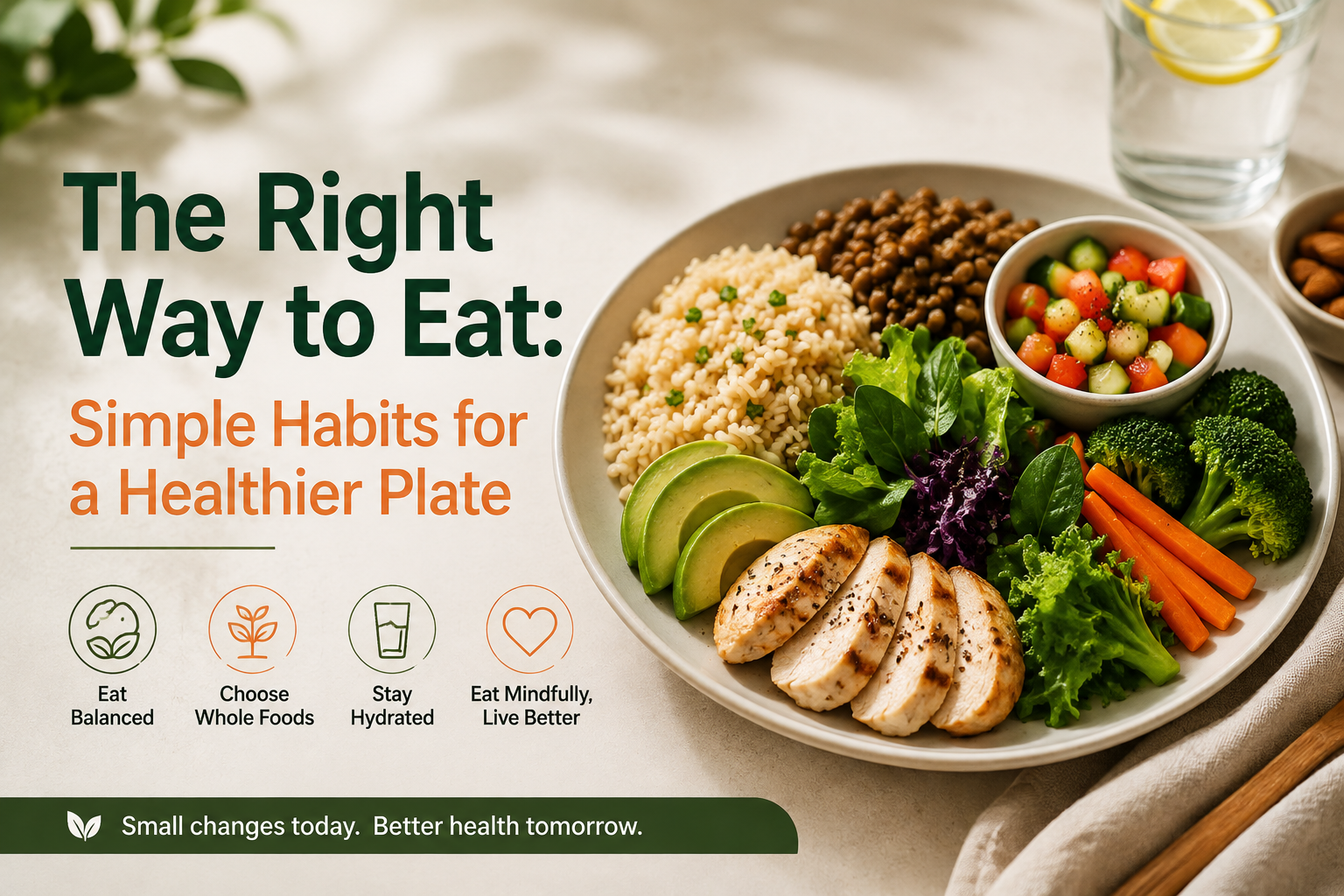
Healthy eating is often presented as a list of foods we should eat or avoid. But healthy eating is not only about what we eat. How we build our plate, how we eat, and even the order in which we eat certain foods can influence our overall dietary quality and metabolic health.
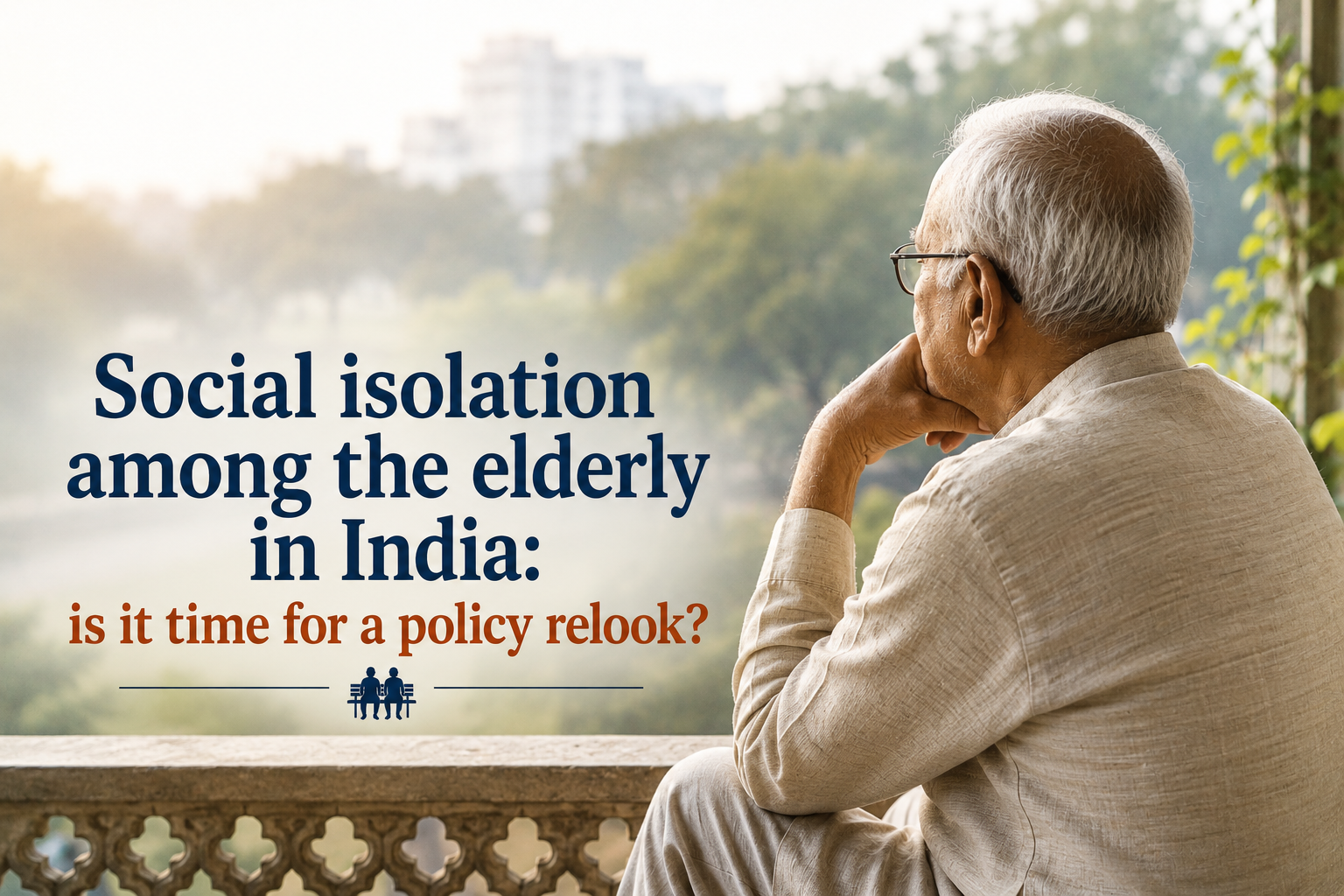
There is a demographic shift taking place in India. The ageing population is steadily growing as a result of advances in healthcare, longer life expectancy and declining fertility rates. The government estimates that by 2050, India will have more than 300 million older people. Longevity is an amazing accomplishment but it can also be a challenge that is seldom discussed openly-social isolation of the elderly.

Weight-loss injections have gone from a niche prescription to dinner-table conversation in just a few years. In India, the picture has shifted fast too after semaglutide's patent expired in March 2026, generic versions brought monthly costs down from the ₹8,000–16,000 range to as low as ₹1,300 - 4,500, putting GLP-1 drugs within reach of far more people than ever before.
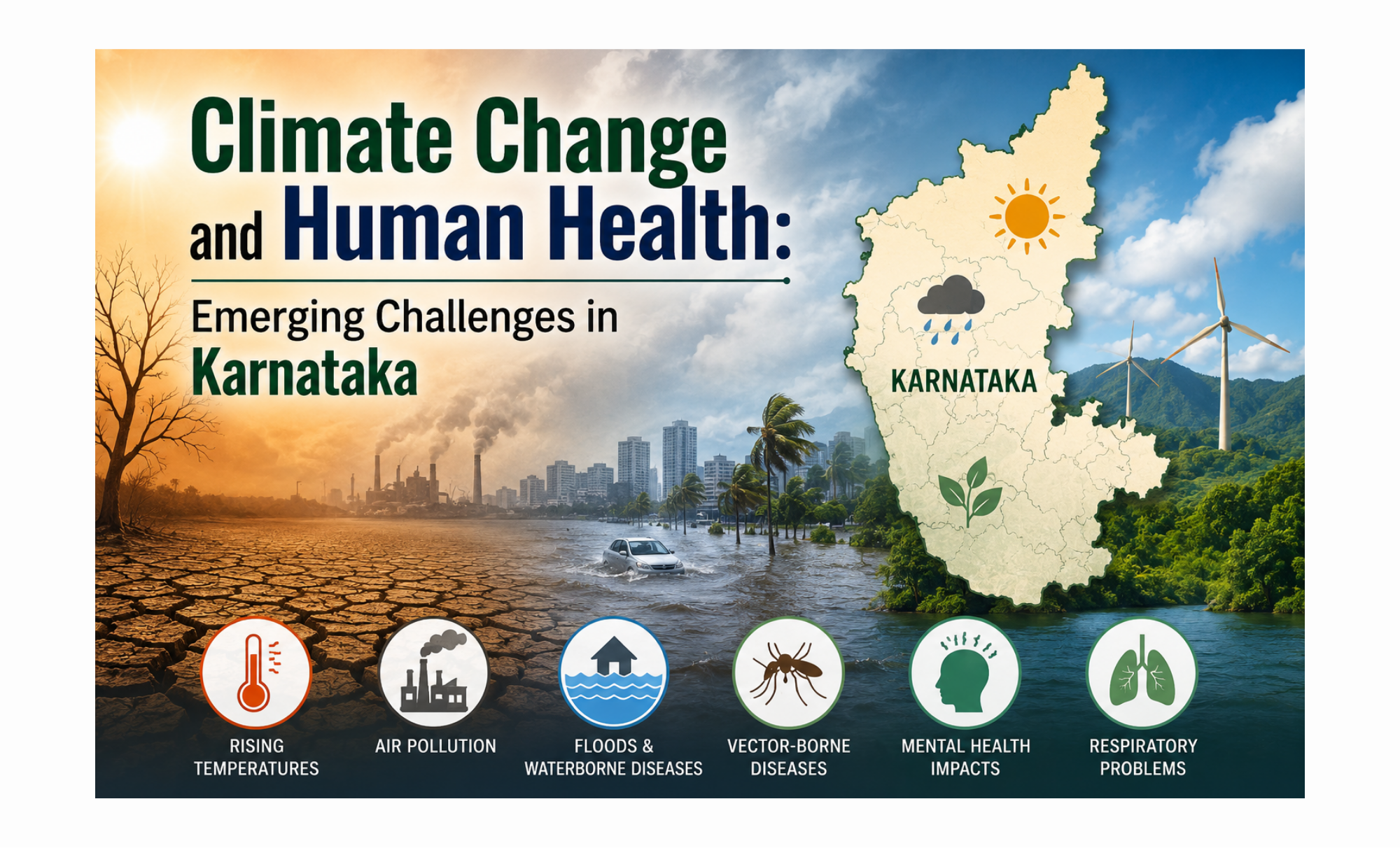
Climate change is no longer a distant environmental issue—it is a reality that affects our daily lives and our health. Around the world, rising temperatures, unpredictable rainfall, floods, droughts, and worsening air pollution are becoming more common. Karnataka, with its diverse geography ranging from the Western Ghats to the coastal belt and dry inland districts, is also experiencing these changes.

When it comes to managing cholesterol, diet and exercise are usually the first things that come to mind. While these lifestyle factors are essential, another often-overlooked factor is sunlight exposure.

Regular blood tests are an essential part of preventive healthcare. Many health conditions develop silently without noticeable symptoms, and routine blood investigations can help detect these problems at an early stage. Early diagnosis often allows timely treatment, prevents complications, and improves long-term health outcomes.

The world is rapidly getting older. The global demographic shift towards an older population is unprecedented, with implications for healthcare systems, families and communities. Aging is a normal process, but it can be accompanied by physical, cognitive, sensory and social changes that impact a person's life. Within this changing environment, assistive technology has become a game-changer, helping older people to remain independent, maintain their dignity and enjoy their life.
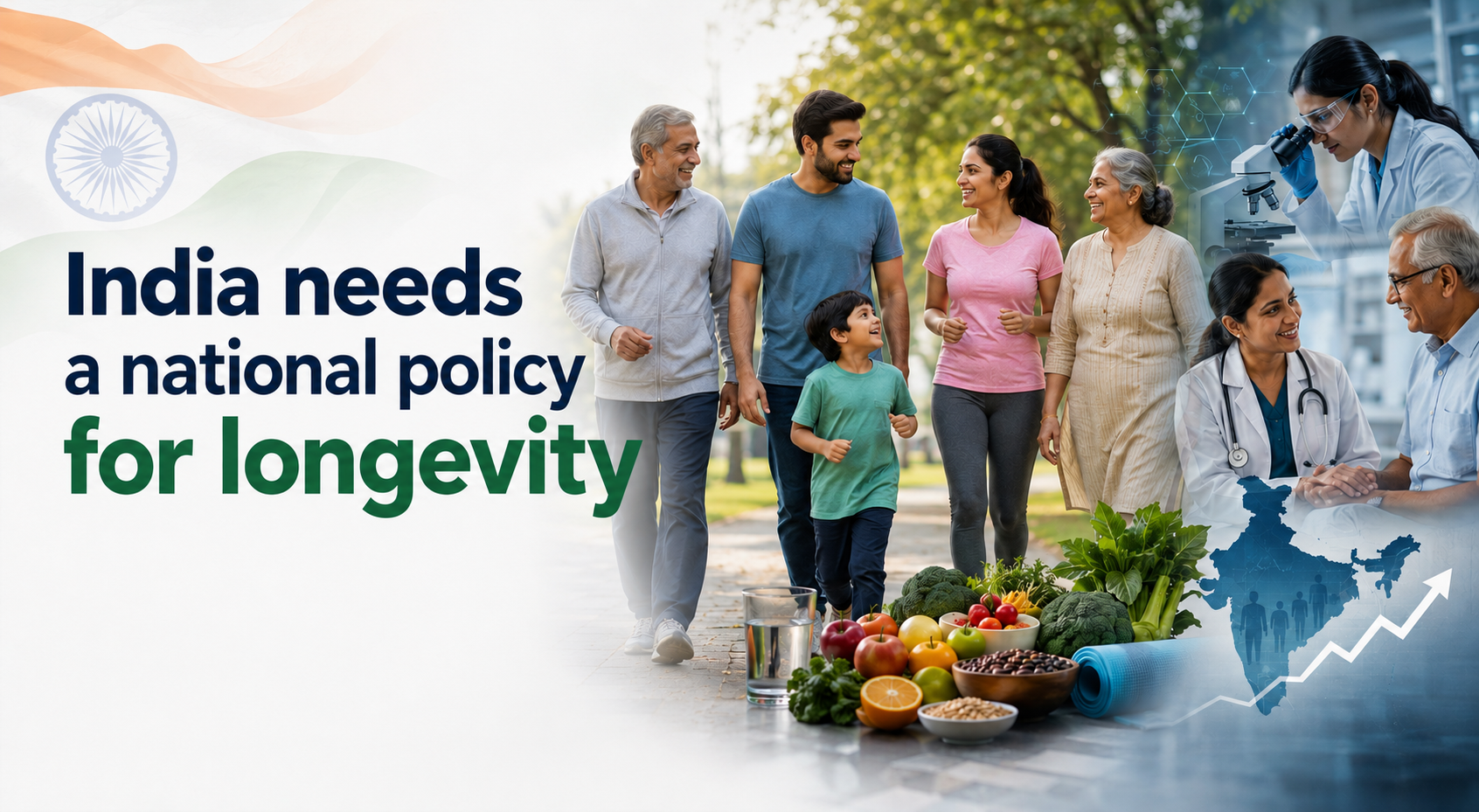
As people are starting to live longer lives and age gracefully, public policy and public expenditure must pivot to preventive healthcare and build social protection. According to the Office for National Statistics UK, today a child can expect to live into their early ninety’s and one in six have a chance of living to 100. This is a steep improvement when historically seen in the 1922, when a 20-year-old had a one in five chance of making it to the age of 80 years.